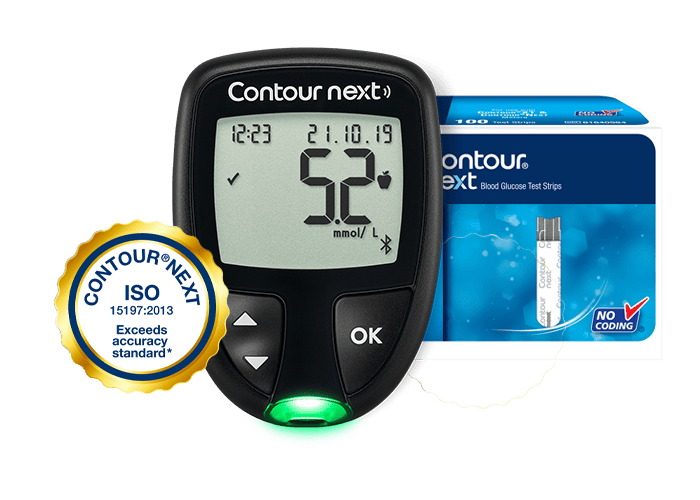
If you have diabetes, you're in good company - over 1.3 million1 Australians are living with Type 2 diabetes. With the right approach, including healthy habits and proper treatment, you can lead a long, fulfilling life.
Understanding Diabetes
Diabetes means your blood glucose levels are higher than normal.
Type 1 Diabetes occurs when the pancreas produces little or no insulin - the hormone that helps sugar enter cells for energy.2
Type 2 Diabetes occurs when your body still produces insulin but your cells don't respond to it properly (this is called insulin resistance). At first, the pancreas compensates by producing extra insulin, but over time, it struggles to keep blood sugar in check.2
Managing Type 2 Diabetes
While there is currently no cure for type 2 diabetes, the condition can be managed through lifestyle modifications and medication. Effectively managing diabetes is the best way to prevent diabetes-related complications.2
Healthy habits and medication work together to bring your blood glucose levels under control.2
-
Food: Work with an accredited practising dietitian to create a personalised eating plan.
-
Exercise: Move more - everyday activity makes a big difference.
-
Medication: Follow your doctor’s recommendations for medication and insulin management.
If you have recently been diagnosed with type 2 diabetes or have a family member with type 2 diabetes, further information can be accessed via Diabetes Australia (www.diabetesaustralia.com.au).
Causes of Type 2 Diabetes
While the exact cause isn't fully understood, certain factors increase your risk2:
-
Have a family history of diabetes
-
Are older (over 55 years of age) – the risk increases as we age
-
Are over 45 years of age and are overweight
-
Are over 45 years of age and have high blood pressure
-
Are over 35 years of age and are from an Aboriginal or Torres Strait Islander background
-
Are over 35 years of age and are from Pacific Island, Indian subcontinent or Chinese cultural background
-
Are a woman who has given birth to a child over 4.5 kgs (9 lbs), or had gestational diabetes when pregnant, or has a condition known as Polycystic Ovarian Syndrome (PCOS)
-
Have a mother who had gestational diabetes when they were in utero
Tips for a Healthy Lifestyle
Food and Drink
Healthy eating is an important part of managing your diabetes, so you need to be aware of what, when and how much you eat every day.3
Eating a healthy diet helps to keep your blood glucose levels within your target range which reduces the risk of developing diabetes-related complications.3
There is no such thing as a diabetic diet. People living with diabetes can enjoy the same foods as everybody else.3
As a starting point, Diabetes Australia recommends people with diabetes follow the Australian Dietary Guidelines Healthy Eating for Adults and Healthy Eating for Children.

Staying Active
Everybody benefits from regular exercise. If you have diabetes or are at risk of diabetes it plays an important role in keeping you healthy.4
For good health, Australians should aim for at least 30 minutes of moderate intensity physical activity every day. You may choose to do this all at once or you can split it up into shorter bouts of 10-15 minutes. Moderate intensity physical activity is being active enough that your heart is beating a little bit faster and you are “lightly puffing” but can still hold a conversation.4
Don't Smoke
Smoking increases the risk of diabetes-related complications5, including heart disease and high blood pressure. If you're thinking about quitting, the Quitline (137848) offers support for Aussies trying to give up smoking.
Managing Diabetes with Medication
Your healthcare team can prescribe a treatment suited to your condition. This may be a combination of healthy diet, regular physical activity and medication.6
Rest assured that taking medication when required can result in fewer complications in the long-term. However, keep in mind that your tablets or insulin injections should be taken with healthy eating and regular physical activity. Your medication should never be a substitute for a healthy lifestyle.6

Why Self-Monitoring Blood Glucose is Important
Regular monitoring helps you understand how food, exercise, and medication affect your blood glucose levels.
How to Monitor Your Blood Glucose
A blood glucose meter lets you check your blood glucose in seconds. Simply:

Wash and dry your hands.
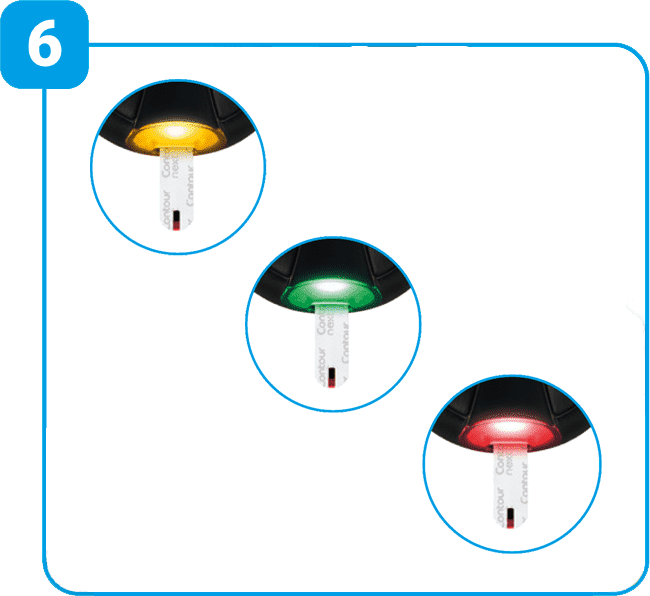
Insert the strip in the meter. This will turn the meter on.
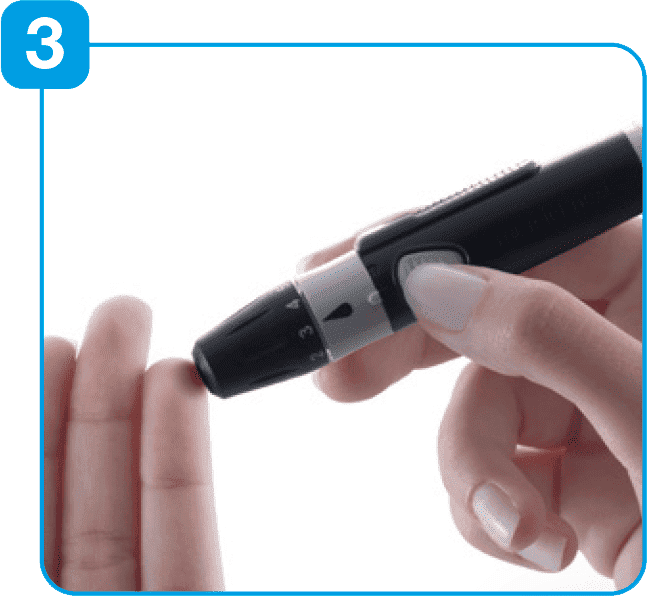
Prick your finger with the lancing device at the side of the finger.
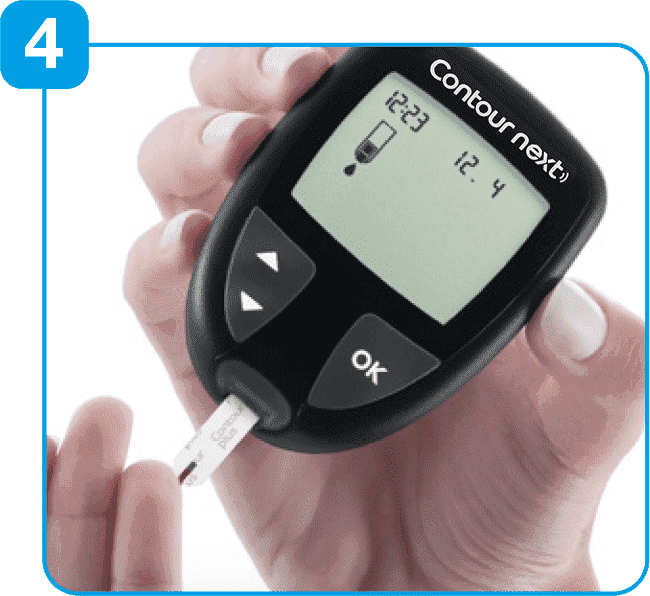
Immediately touch the tip of the test strip to the drop of blood.
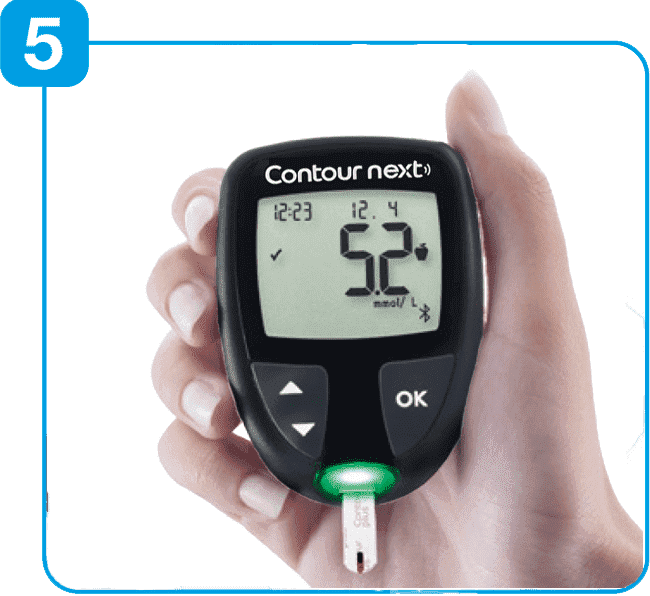
After a 5 second countdown, the meter will display your blood glucose results.
The smartLIGHT® feature offers easier understanding of blood glucose levels, showing if the blood glucose reading is above, within or below the target range.10
Check with your healthcare provider to set a target range for your blood glucose readings
Managing Type 2 Diabetes with Insulin7
If you use insulin, it's crucial to monitor blood glucose levels to avoid high blood glucose readings (hyperglycaemia) and low blood glucose readings (hypoglycaemia).
High blood glucose can lead to long-term complications if left unmanaged.8
Low blood glucose can affect your ability to think clearly and perform daily tasks.9
Always ask your doctor about your ideal blood sugar range and what to do in case of extreme highs or lows.
For personalised advice, chat with your healthcare professional.