Travelling in Hot Climates with Diabetes

Hot weather presents unique challenges for people living with diabetes. High temperatures can affect blood glucose levels1, insulin stability2, and hydration. Here’s how to stay safe and manage your diabetes in the heat.


Quick links

Why hot weather matters for diabetes

Heat can make managing blood glucose levels more difficult. Spending long periods in the sun with limited activity may lead to higher blood glucose levels3.

Hot conditions can also increase blood flow to the skin, which may change how insulin works and lead to lower glucose levels3.

Dehydration is another risk. Losing fluids through sweating can raise blood glucose levels and increase the risk of serious complications like diabetic ketoacidosis (DKA)4.

 

General recommendations

  1. Monitor your blood glucose levels more often: Heat and activity can cause fluctuations. If you use insulin, you may need to adjust your dosage or diet. Always check before exercise and keep hypo treatments handy5.
  2. Stay hydrated: Drink plenty of water or sugar free drinks throughout the day. Dehydration can raise your risk of hyperosmolar hyperglycaemic state (HHS) or DKA4.
  3. Apply sunscreen: Use SPF 30+ and reapply every two hours when outdoors6.
  4. Dress for the heat: Lightweight, loose clothing, a hat, and sunglasses with UV protection are essential.
 

Protect insulin and devices

Keep insulin cool: Insulin loses potency if exposed to high temperatures. Store it in an insulated pouch or cooler, but avoid freezing7.


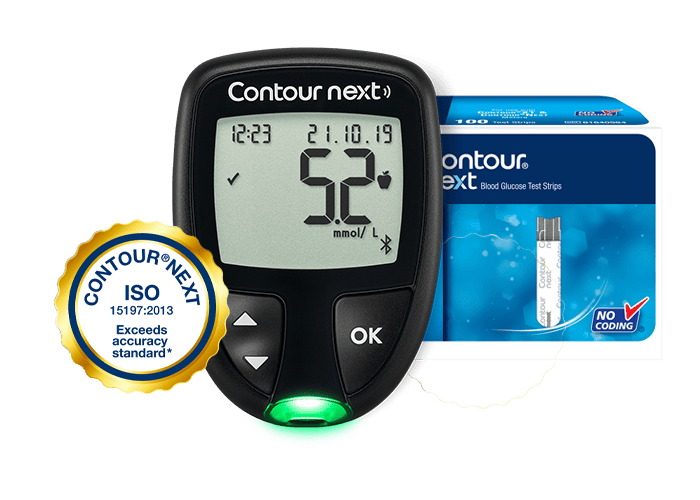
Protect your meter and strips
: Glucose meters work best between 5°C and 45°C. Avoid direct sunlight and allow your meter to adjust to temperature changes before testing7.

Travel Insurance and Emergency Planning


Before travelling, ensure your insurance covers diabetes related care. Carry extra supplies and a doctor’s letter explaining your condition and medications. For overseas trips, check health advice on SmartTraveller.gov.au8.

Quick Checklist


Insulated storage for insulin and devices
✔ Extra test strips and batteries
✔ Emergency hypo treatments
✔ Doctor’s letter and travel insurance

The information provided on this website is not a substitute for professional medical advice. Please consult your healthcare practitioner for personalized advice tailored to your specific needs and health condition.

We do not endorse or control the content of third-party websites. While we strive to provide accurate and helpful information, we are not responsible for the content, accuracy, or reliability of any external sites. Please review the terms and privacy policies of any third-party websites you visit.

References:

  1. NDSS – Hot Weather. Accessed 18th December 2025 from https://www.ndss.com.au/hotweather/
  2. Diabetes Australia – Diabetes: Quick Guides. Understanding Insulin. Accessed 18th December 2025. From: https://www.diabetesaustralia.com.au/wp-content/uploads/220145-Diabetes-Quick-Guides_insulin.pdf
  3. Diabetes Australia – Managing diabetes in hot weather. Accessed 15 December 2025 from https://www.diabetesaustralia.com.au
  4. NDSS – Hot weather and diabetes. Accessed 15 December 2025 from https://www.ndss.com.au/about-diabetes/resources/hot-weather/
  5. Australian Diabetes Society. Australian Clinical Guidelines for Diabetes Management. Accessed 15 December 2025 from https://diabetessociety.com.au/guidelines
  6. Healthdirect Australia – Heat and health. Accessed 15 December 2025 from https://www.healthdirect.gov.au/hot-weather-risks-and-staying-cool
  7. Diabetes Australia – Keep cool this summer with our hot tips. Accessed 18 December 2026 from https://www.diabetesaustralia.com.au/blog/safe-summer-fun/#:~:text=Insulin%20storage,sharps%20that%20have%20been%20used
  8. SmartTraveller.gov.au – Health and travel advice. Accessed 15 December 2025 from https://www.smartraveller.gov.au