Travelling in Cold Climates with Diabetes

Cold weather can affect blood glucose levels and insulin absorption in people with diabetes, requiring extra precautions to maintain stable control1.


Quick links

Why cold weather matters for diabetes

Cold temperatures can affect your body and your diabetes management. Low temperatures may slow insulin absorption and make it harder to detect hypoglycaemia (hypo) symptoms.

Plus, your blood glucose meter and insulin can be impacted by extreme cold if not stored correctly2.
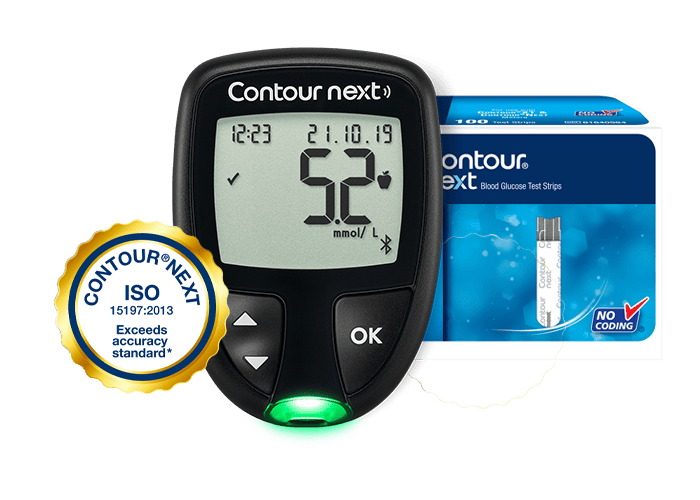

 

Protect your devices and supplies

  • Keep insulin at the right temperature3: Insulin can freeze in sub-zero conditions, making it ineffective. Store it close to your body or in an insulated pouch.
  • Protect your meter and strips: Glucose meters may give inaccurate readings if they’re too cold. Keep them warm and dry3.

Monitor glucose levels more frequently

Cold weather can mask hypo symptoms like sweating or shivering. Check your blood glucose more often, especially if you’re skiing or doing other physical activities4.

Stay warm and active

  • Dress in layers to maintain body warmth.
  • Keep hands and feet warm to avoid circulation issues1.
  • Maintain regular activity, but monitor glucose levels before and after exercise5.
 

Travel Insurance and Emergency Planning

Before you travel, make sure your insurance covers diabetes-related care. Carry extra supplies and a letter from your doctor explaining your condition and medications.

If travelling overseas, check health advice on SmartTraveller.gov.au6.


Quick Checklist

Insulated storage for insulin and devices
✔ Extra test strips and batteries
✔ Emergency hypo treatments
✔ Doctor’s letter and travel insurance

The information provided on this website is not a substitute for professional medical advice. Please consult your healthcare practitioner for personalized advice tailored to your specific needs and health condition.

We do not endorse or control the content of third-party websites. While we strive to provide accurate and helpful information, we are not responsible for the content, accuracy, or reliability of any external sites. Please review the terms and privacy policies of any third-party websites you visit.

References:

  1. Diabetes Australia – Diabetes in Cold Weather. Accessed 18th December 2025 from https://www.diabetesaustralia.com.au/blog/diabetes-in-cold-weather/
  2. Diabetes Australia – Managing diabetes in different environments. Accessed 15 December 2025 from https://www.diabetesaustralia.com.au
  3. NDSS – Travelling with diabetes. Accessed 15 December 2025 from https://www.ndss.com.au/about-diabetes/resources/travel/
  4. Australian Diabetes Society. Australian Clinical Guidelines for Diabetes Management. Accessed 15 December 2025 from https://diabetessociety.com.au/guidelines
  5. Healthdirect Australia – Staying healthy in winter. Accessed 15 December 2025 from https://www.healthdirect.gov.au/
  6. SmartTraveller.gov.au – Health and travel advice. Accessed 15 December 2025 from https://www.smartraveller.gov.au/